
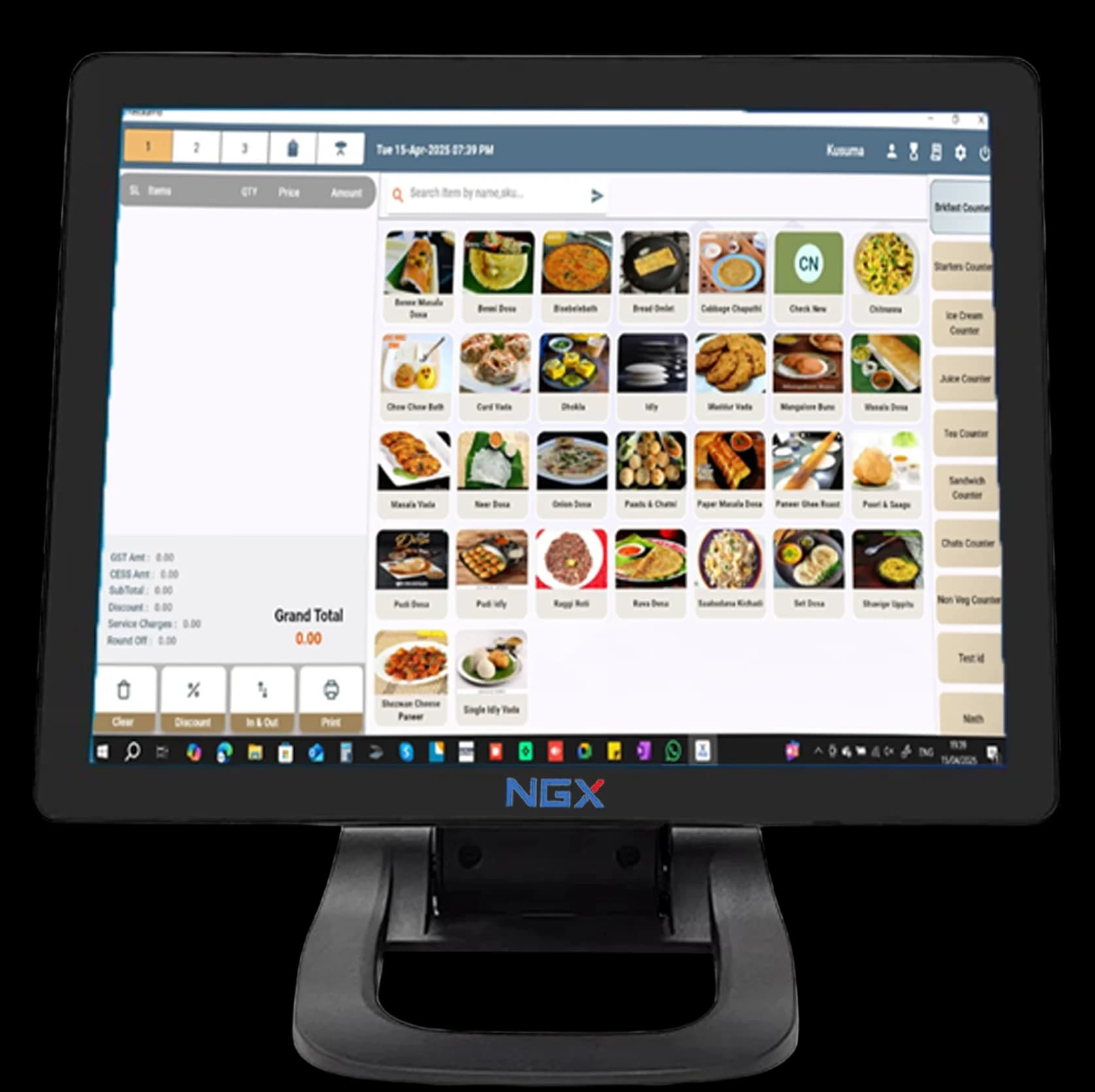
Thermal Printers
Thermal printers that never need ink.
A thermal printer prints with heat instead of ink — receipts, tickets and labels, at speed. NGX makes both kinds: 80 mm POS receipt printers for the counter, and Bluetooth thermal printers that pair with any Android phone. From ₹5,999 + GST.
What is a thermal printer?
A thermal printer prints by pressing heat-sensitive paper against a heated print head — the paper darkens wherever it is heated, and that is how the text is formed. There is no ink, no toner and no ribbon, so the paper roll is the only thing you ever replace. It is why almost every shop receipt, bus ticket and courier label in India is a thermal print.
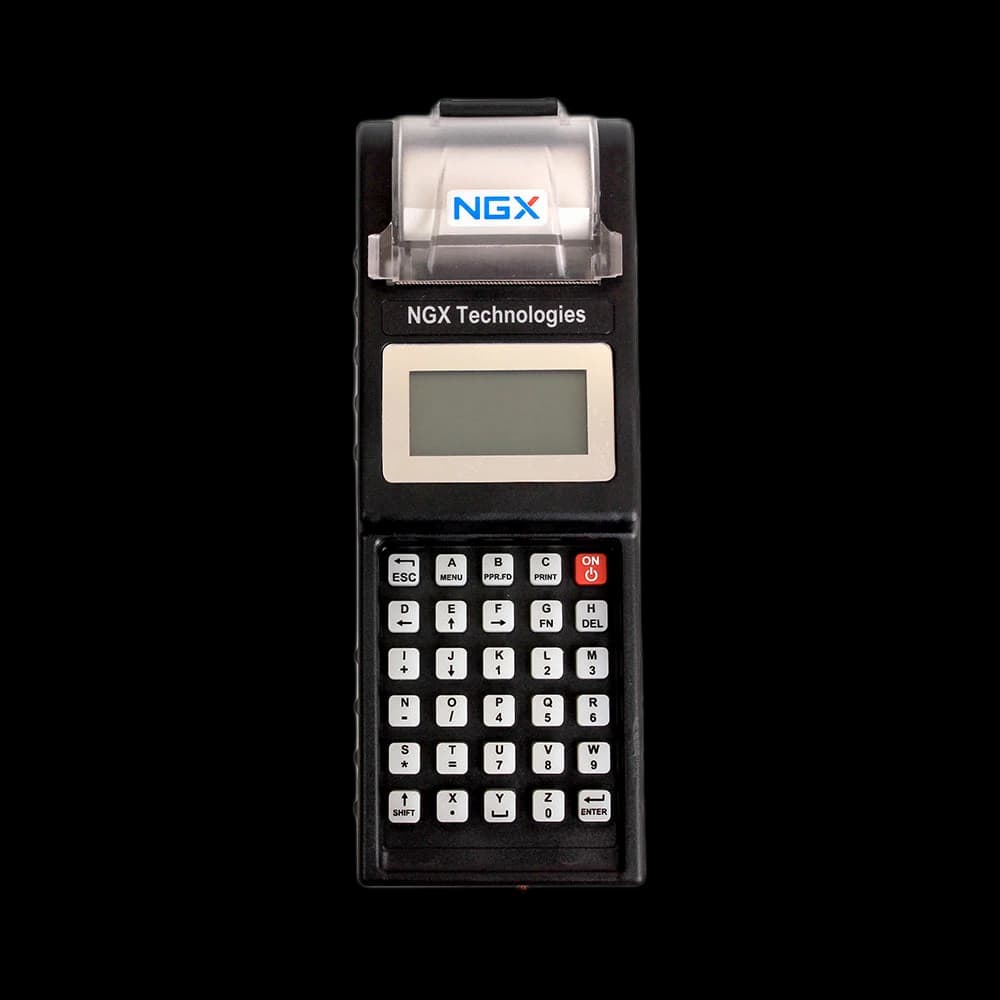
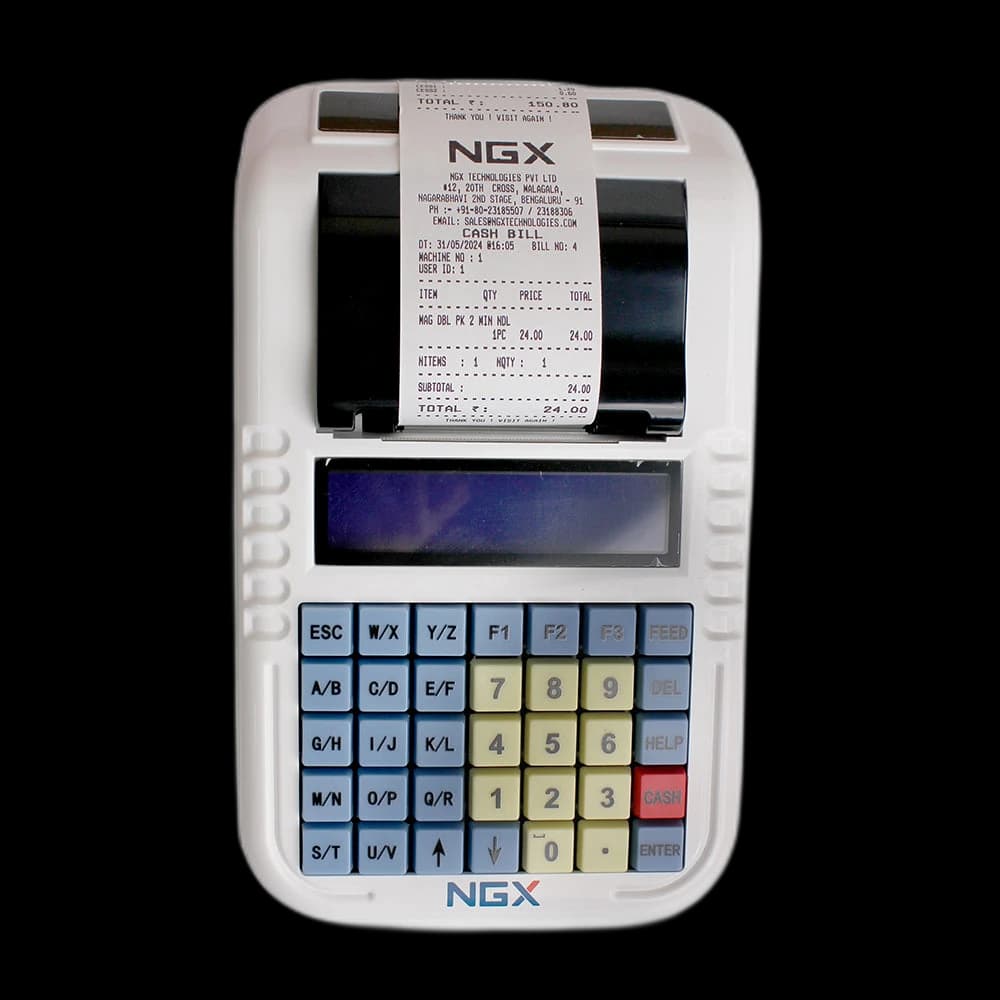
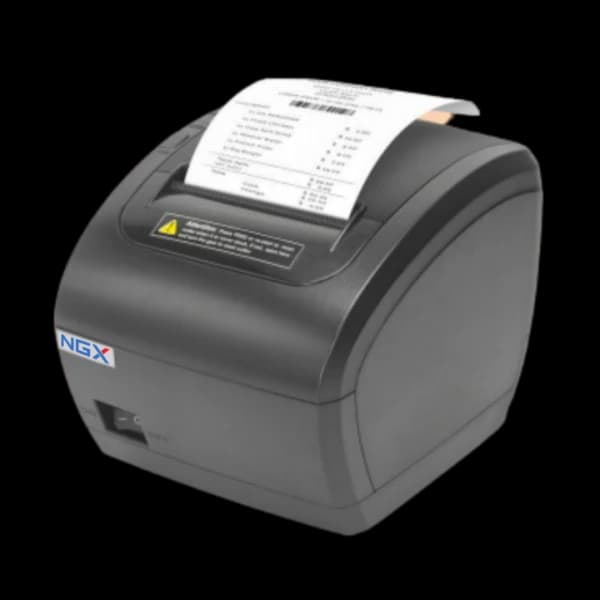
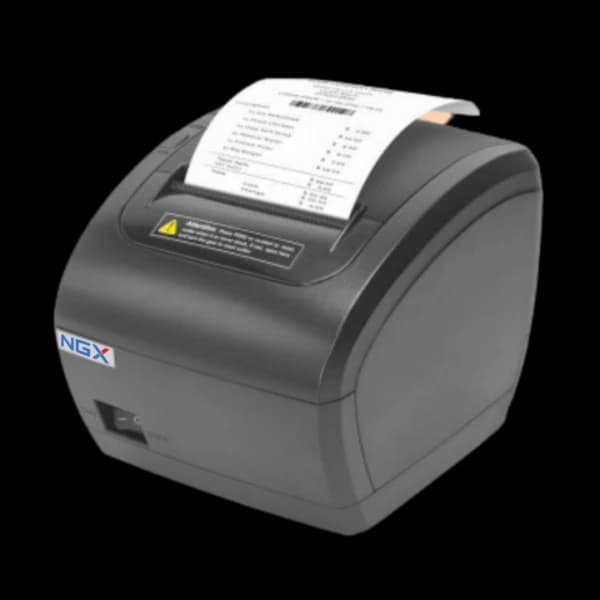
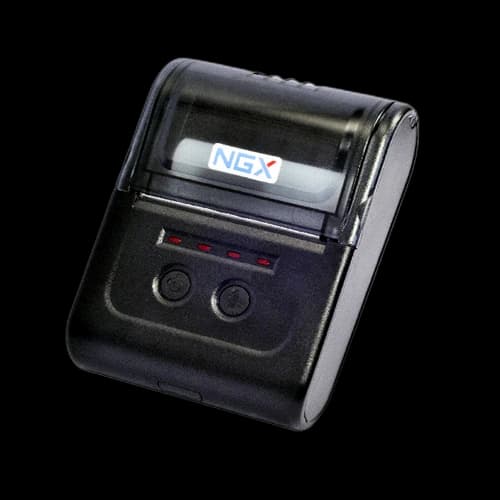
NGX manufactures the two kinds a business actually needs. On the counter, an 80 mm (3-inch) POS receipt printer — the TP909-U over USB, or the TP909-UL with USB and LAN — prints at 230 mm/s with an auto partial cutter rated for 1.5 million cuts, speaks ESC/POS, and drives from Windows, Linux, Android or Mac. In the field, a Bluetooth thermal printer pairs with any Android phone: the pocket-sized 2-inch BTP120, or the 3-inch BTP320 and the rugged BTP-3N.
Every model is made in India, is a one-time purchase with no subscription, and is serviced by dealers across the country. Prices start at ₹5,999 + GST.
Know which type you need already? Go straight to the POS receipt printers.
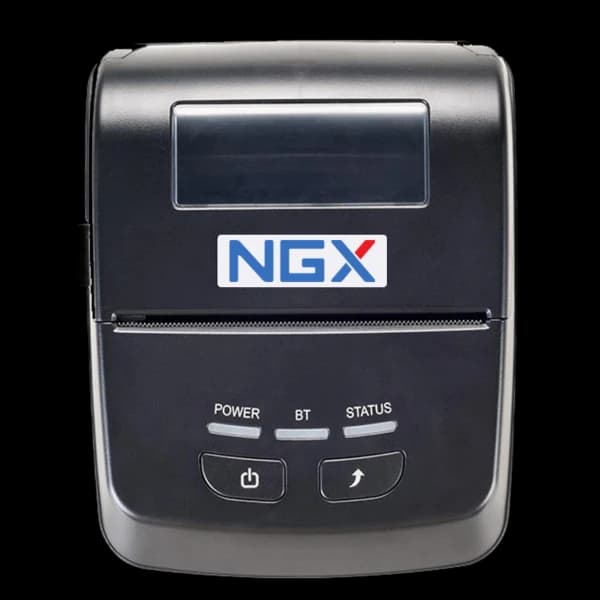
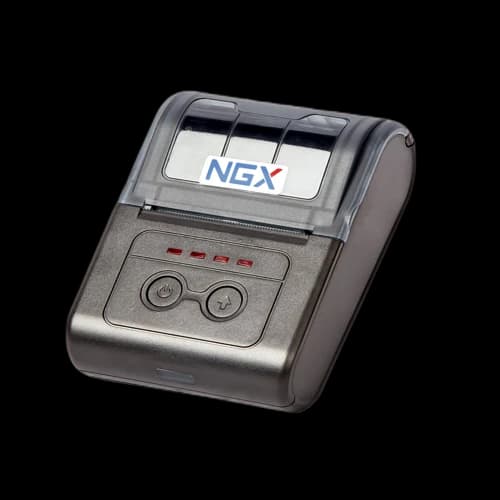
Compare thermal printers: counter or pocket
| BTP120 (2-inch) | BTP320 (3-inch) | TP909-UL (80 mm POS) | |
|---|---|---|---|
| Best for | Field sales & delivery | Vans, stalls, wider bills | Retail & restaurant counters |
| Paper width | 2 inch (58 mm) | 3 inch (80 mm) | 3 inch (80 mm) |
| Connection | Bluetooth · USB | Bluetooth · USB | USB · LAN |
| Prints from | Any Android phone | Any Android phone | Windows or Android POS |
| Power | Battery | Battery | Mains |
| Cutter | Tear bar | Tear bar | Auto (partial) |
| Price | ₹5,999 | ₹8,999 | ₹9,999 |
Want every model side by side? See the full comparison or check the billing machine price list →
01
No ink. Ever.
Heat and paper, nothing else — no cartridge, no toner, no ribbon to run out mid-queue. A paper roll is the only running cost.
02
Counter or pocket.
An 80 mm printer with an auto cutter for the till, or a battery printer that pairs with a phone for the route. Same printing, different day.
03
Made in India, serviced here.
Manufactured by NGX, not imported and rebadged — and installed and serviced by dealers across the country.
What to look for in a thermal printer
Paper width
2-inch (58 mm) gives the most pocketable printer and a narrow receipt. 3-inch (80 mm) prints a wider bill with more items per line — the standard for retail counters and restaurant KOTs.
How it connects
USB for a computer on the counter, LAN to put the printer anywhere on the network, Bluetooth to print from a phone in the field. The TP909-UL does USB and LAN; the BTP range does Bluetooth and USB.
Cutter and speed
A counter printer should have an auto cutter and 200+ mm/s — it is the difference between a queue that moves and a queue that waits. Portable printers use a tear bar instead, which keeps them small and light.
What it works with
ESC/POS support means the printer works with virtually any billing software, and an Android SDK covers custom apps. Check this before anything else — a fast printer your software cannot drive is useless.
Read before you decide.
Before you buy.
What does a thermal printer do?
A thermal printer prints by heating tiny dots on its print head against heat-sensitive paper, which darkens where it is heated. There is no ink, toner or ribbon — the image is formed by heat alone, so paper is the only consumable. It is what prints your shop receipt, a bus ticket and a courier label.
Do thermal printers need ink?
No. A thermal printer has no ink, no toner and no cartridge. It burns the image into heat-sensitive paper, so the only running cost is the paper roll — typically a few thousand rupees a year, even on a busy counter.
What are the disadvantages of a thermal printer?
Three real ones. Thermal prints fade — the paper is sensitive to heat and light, so a receipt left in sunlight or a hot car will darken or go blank. It prints in one colour only, so no colour graphics. And it needs thermal paper; it cannot print on ordinary paper. For receipts, tickets and labels — where the print only has to last months, not decades — none of these matter much, which is why nearly every retail counter uses one anyway.
How long does thermal print last?
A typical thermal receipt stays legible for roughly six months to a few years, depending on how it is stored. Kept cool, dark and dry it lasts longer; heat, sunlight, humidity and friction all shorten it. For anything you must keep long-term, such as GST records, rely on the digital copy rather than the paper slip.
What is an example of thermal printing?
The receipt from a supermarket till, a bus or parking ticket, a courier shipping label and an ATM slip are all thermal prints. Anywhere you see a fast, inkless, single-colour print on slightly glossy paper, a thermal printer made it.
Which thermal printer should I buy?
If the printer sits on a counter beside a computer or POS, choose an 80 mm receipt printer — the TP909-U (USB) or the TP909-UL, which adds LAN so you can place it anywhere on the network. If you print on the move, for field sales, delivery or van distribution, choose a Bluetooth thermal printer that pairs with an Android phone: the BTP120 (2-inch, most pocketable) or the BTP320 and BTP-3N (3-inch, wider bills). Prices start at ₹5,999 + GST.
How much does a thermal printer cost in India?
NGX thermal printer prices start at ₹5,999 + GST for the 2-inch Bluetooth BTP120. The 3-inch Bluetooth models — the BTP320 and the rugged BTP-3N — are ₹8,999, and the 80 mm counter printers, the TP909-U (USB) and the TP909-UL (USB + LAN), are ₹9,999. Every one is a one-time purchase with no subscription, so after you buy it the only running cost is the paper roll.
What is the difference between a 2-inch and a 3-inch thermal printer?
The paper width. A 2-inch (58 mm) printer produces a narrow, pocket-sized receipt and the smallest body — best when you carry it all day. A 3-inch (80 mm) printer prints a wider bill that fits more items per line, which is the standard for retail counters and restaurant KOTs.
Will it work with my billing software?
Almost certainly. Every NGX thermal printer speaks ESC/POS, the standard command set that virtually all billing software uses, and the range ships with an Android SDK for custom apps. The TP909 printers carry drivers for Windows, Linux, Android and Mac.
Can I use normal A4 paper in a thermal printer?
No. A thermal printer prints by heating special heat-sensitive thermal paper — it has no ink or ribbon, so plain A4 or inkjet paper simply comes out blank. Use thermal rolls in the printer's width: 57 mm (2-inch) for the Bluetooth BTP120 and most counters, or 80 mm (3-inch) for the TP909 POS printers and the BTP320/BTP-3N. Thermal rolls are inexpensive and sold in every stationery shop.
Is it worth getting a thermal printer?
For any business that prints receipts, bills, tickets or labels, yes. There is no ink or ribbon to buy ever, printing is fast and quiet, and there are far fewer moving parts to jam than an inkjet or dot-matrix. NGX thermal printers start at ₹5,999 and a roll of thermal paper costs a few rupees, so the running cost is close to zero — the reason nearly every shop counter, restaurant and delivery service now uses one.
What is the lifespan of a thermal printer?
A thermal printer's life is rated by how much paper passes through the print head, not in years. NGX print heads are rated at 150 km on the TP909 POS printers and 100 km on the portable Bluetooth models, and the TP909 auto-cutter is rated for 1.5 million cuts. At a counter printing a few hundred receipts a day that is years of service, and because there is no ink or ribbon the paper roll is the only consumable you ever buy.
Get a demo in your city.
84 dealers. 8 resident city teams. A machine on your counter this week — with a person who installs it, not a courier box.