
Introduction
We have all been there: sitting in a car at a mall exit or a hospital parking lot, waiting in a long line while a parking attendant struggles to calculate the fee on a calculator or fumble with loose change.
For parking contractors and facility managers, this delay isn't just an annoyance—it is lost revenue. Manual parking management is plagued by slow processing, calculation errors, and, most critically, revenue leakage (cash theft).
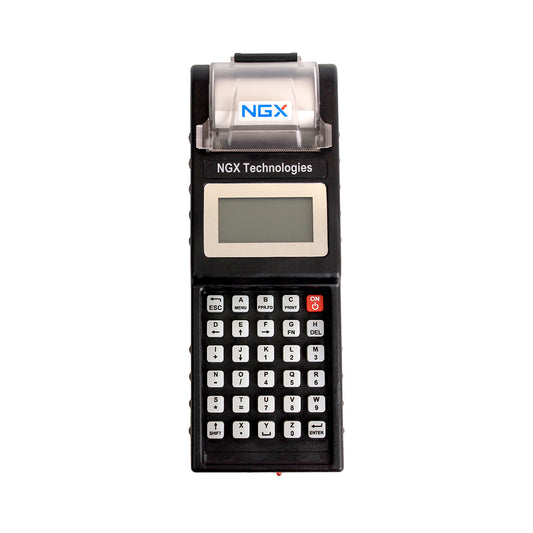
The solution isn't to hire more staff; it's to equip them with the right tools. Moving from handwritten slips to a handheld parking ticket machine transforms a chaotic lot into a smooth, automated operation. Here is how.
1. Reducing Queues at Entry and Exit
In the parking business, time is money. A manual operator takes about 20–30 seconds to write down a vehicle number and the time on a slip.
With an electronic handheld machine, this drops to 3–5 seconds.
- Fast Entry: The operator selects the vehicle type (2-wheeler/4-wheeler), enters the vehicle number, and the machine instantly prints a token with a barcode or QR code and the entry timestamp.
- Automated Exit: When the vehicle leaves, the operator simply scans the ticket (or enters the sequence number). The machine automatically calculates the duration and the exact fee based on your pre-set rates. No mental math, no arguments, and the line keeps moving.
2. Plugging Revenue Leakage (Theft Prevention)
The biggest nightmare for a parking owner is "unaccounted cash." In manual systems, it is easy for attendants to issue fake receipts, re-use old slips, or simply pocket the cash without recording the transaction.
An automated parking collection system using handheld devices eliminates this fraud:
- Digital Logs: Every single ticket generated is recorded in the device’s memory.
- Non-Resettable Counters: You can check exactly how many tickets were issued versus how much cash is in the bag.
- Ticket Validity: Since the time is machine-stamped, attendants cannot undercharge friends or overcharge strangers. The system creates transparency that manual receipt books simply cannot match.
3. Automating Daily Collection Reports
Ending a shift with a manual ledger involves hours of tallying and cross-checking.
With electronic ticketing machines, the end-of-day process takes seconds.
- Shift Reports: With one button press, the machine generates a summary report showing the total number of vehicles (by type) and the total cash collected during that specific shift.
- Cloud Sync: Advanced NGX models can sync this data to a cloud dashboard via Wi-Fi or SIM cards, allowing owners to monitor multiple parking sites remotely in real-time.
Where Can These Machines Be Used?
While we associate them with malls, electronic ticketing machine uses extend far beyond just shopping centers:
- Valet Parking: To track when a car was handed over and retrieved.
- Municipal Street Parking: Ideally suited for "Pay and Park" street contractors where mobility is key.
- Event Parking: For exhibitions or concerts where temporary, fast parking setups are needed.
- Toll Collection: For small private roads or bridge tolls.
Conclusion
If you are still relying on paper pads and manual stamps, you are likely losing 10% to 20% of your potential revenue to inefficiency and leakage.
A handheld parking ticket machine is not an expense; it is an investment that pays for itself by securing your cash flow and speeding up your operations. It gives your parking lot a professional image and gives you peace of mind.
Take control of your parking space today.
Equip your staff with rugged, reliable, and fast ticketing solutions from NGX.