
Introduction
In the restaurant business, chaos is often mistaken for "being busy." Waiters running back and forth to the kitchen, shouting orders to chefs, and scribbling modifications on paper pads—it looks energetic, but it leaks money.
The secret to a profitable restaurant isn't just good food; it’s the speed of service. And speed comes from how efficiently you manage the "Golden Triangle": Ordering, Cooking, and Billing.
If you are still using manual paper slips for your Kitchen Order Tickets (KOTs), you are likely facing delayed orders, wrong dishes served, and frustrated customers. In this guide, we break down how a modern restaurant billing process automates this flow.
The New Workflow: From Table to Kitchen to Cashier
Forget the handwritten notepad. Here is how a digital KOT printing system transforms your service.
Step 1: Tableside Ordering (The Handheld POS)
Instead of writing "2 Butter Naan" on a slip and walking to the kitchen, your waiter stands at the table with an NGX Handheld POS.
- They select the table number.
- They tap the items the customer wants.
- They add special notes (e.g., "Less Spicy," "No Onions").
- The Magic Moment: They hit "Print/Send."
Step 2: Instant Wireless KOT Generation
The waiter never leaves the dining floor. The moment they hit send, a Wireless Kitchen Printer stationed inside the kitchen buzzes.
- A clear, legible KOT prints out for the chef.
- It includes the Table Number, Waiter Name, Time, and specific cooking instructions.
- Result: The chef starts cooking immediately. The waiter moves to the next table. No time is wasted walking.
Step 3: The Final Bill & GST
When the customer asks for the check, the cashier (or the waiter) pulls up the specific table number on the system.
- All items ordered (including that extra water bottle ordered mid-meal) are already tallied.
- The system automatically applies the correct GST rates (5% for restaurants, different rates for alcohol/beverages if applicable).
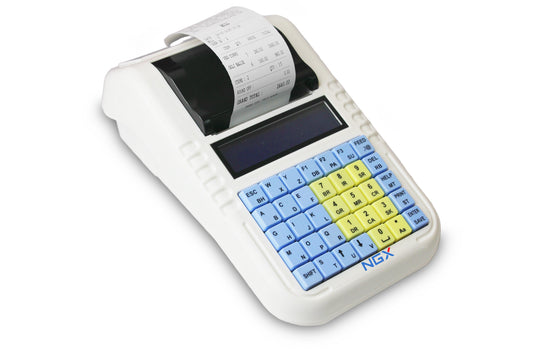
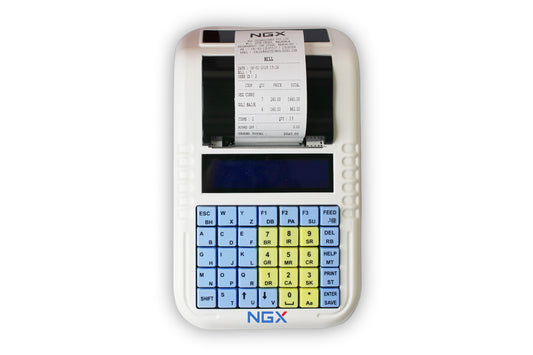
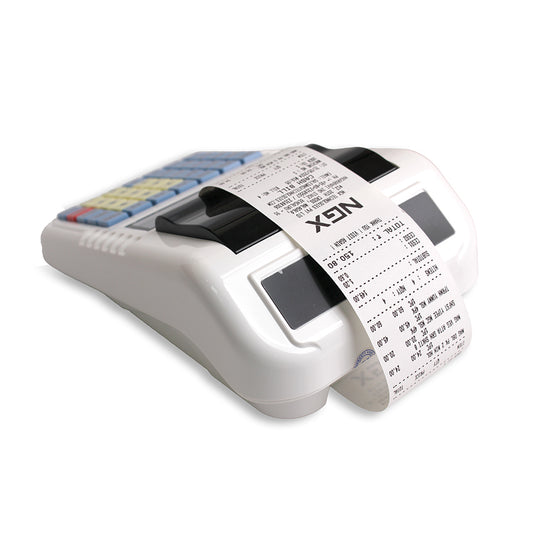
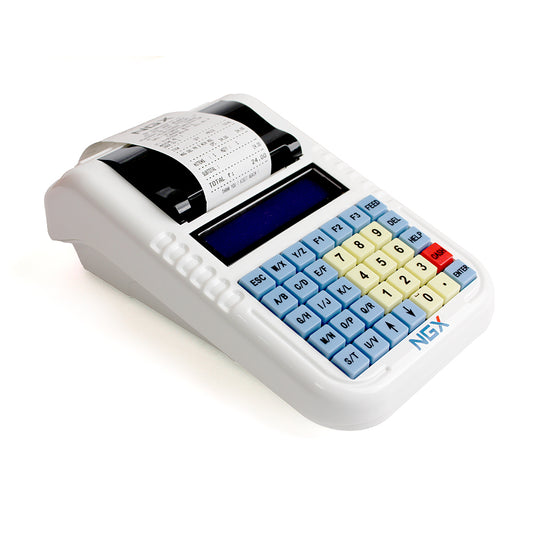
- A professional, tax-compliant bill is printed instantly.
Why Digital KOTs Are Better Than Paper
-
Eliminate "Chef Handwriting" Issues:
Chefs no longer have to squint at scribbled handwriting. Digital KOTs are standardized and easy to read, drastically reducing food return rates due to wrong orders. -
Prevent Revenue Leakage:
In a manual system, a waiter might forget to add an extra roti to the final bill. In a digital system, food cannot be prepared unless a KOT is generated. If a KOT is generated, the item is automatically added to the pending bill. This ensures you get paid for every single item that leaves the kitchen. -
Faster Table Turnaround:
By saving 5 minutes per table on ordering and billing, you can serve more customers during peak hours. faster service = happier customers = higher revenue.
GST Compliance: The Non-Negotiable
For Indian restaurateurs, GST compliance is critical. A manual bill often leads to calculation errors. A smart billing machine ensures:
- Correct bifurcation of SGST and CGST.
- Your FSSAI license number is printed on every receipt (mandatory by law).
- Daily sales reports are ready for your accountant at the click of a button.
Conclusion
Upgrading to a digital system isn't about replacing your staff; it's about empowering them. When your waiters aren't running to the kitchen, they are spending time with your guests—upselling desserts, refilling drinks, and improving the dining experience.
Whether you run a fine-dining establishment or a fast-food joint, the right flow is: Handheld Order -> Wireless Kitchen Print -> Error-Free Bill.
Ready to modernize your restaurant's workflow?
From rugged kitchen printers to sleek touch-screen billing devices, we have the hardware to match your menu.